Bwindi gorilla trek rain protection gear is not something you can improvise on the trail. Bwindi Impenetrable National Park is a tropical rainforest, and showers can arrive with almost no warning, even on days that start clear. If you are combining this trek with time in Kenya, treat the rain kit as seriously as you would treat your camera or your permit. A soaked, cold trekker rarely enjoys the hour with the gorillas that everyone came for.
This guide skips the generic packing-list advice. It focuses on what actually fails on Bwindi’s trails: ponchos that snag on vines, jackets that trap sweat as fast as they keep out rain, and boots that were never broken in before the climb. If you are planning a longer trip, our combined Kenya-Uganda gorilla itinerary covers how to pair this trek with a Kenya safari. Our Kenya safari packing list covers the rest of your bag.
Do You Need Bwindi Gorilla Trek Rain Protection Gear?
Yes. Rain gear is essential year-round because Bwindi is a tropical rainforest where showers can start with no warning. This includes the June to September and December to February drier seasons. Pack a waterproof jacket and a daypack cover on every trek regardless of season or forecast. Trekkers who skip it often regret it once the rain starts.
The forest canopy makes weather hard to predict from the trailhead. Guides will tell you that a blue sky at the start means very little by the time you are an hour into the climb. Treat rain gear as standard equipment, not an optional extra you pack only if the forecast looks bad.
Rain Jacket or Poncho: Which One Works Better on the Trail?
A fitted, hooded rain jacket beats a poncho on Bwindi’s trails. Ponchos snag on vines and thorns and restrict the arm movement you need for balance on steep, vegetated slopes, and they add no insulation. Choose a lightweight, packable shell as your primary layer, and treat a poncho only as a cheap backup over your daypack.
Bwindi’s trails are not flat forest paths. Trekkers often grab branches and roots to steady themselves on the steeper sections. A loose poncho gets in the way at exactly the wrong moment. A jacket that zips close to your body lets you move freely while still keeping the rain off. For a sense of how physically demanding the climb can be, see our page on what to expect on a gorilla trek, which covers the terrain in more detail.
What Waterproof Rating Do You Need for Gorilla Trekking Rain Gear?
Look for a hydrostatic head of at least 10,000mm with fully taped seams for reliable dryness. Step up to 20,000mm or more during Bwindi’s heaviest rain months of March to May and September to November. Pit zips or underarm vents matter as much as the rating, since trapped sweat soaks you from inside just as fast as rain from outside.
This is a detail many general packing lists leave out. A jacket can be perfectly sealed against rain and still leave you drenched, because the climb generates heat and humidity that has nowhere to go. Ventilation zips under the arms let you release that heat without opening the jacket to the rain. If a jacket only lists a waterproof rating and says nothing about venting, it is worth checking the product description before you buy.
Do You Need Waterproof Trousers and Gaiters for Gorilla Trekking?
Pair waterproof or quick-dry trousers with knee-high gaiters and broken-in waterproof hiking boots with ankle support. Gaiters seal the gap where mud, safari ants, and stinging nettles enter at the boot top. This matters most on Bwindi’s steep, root-tangled slopes, where trails turn slick within minutes of rain starting.
Jeans and cotton trousers are a poor choice here. They soak through, stay wet for hours, and chafe against the legs on a long climb. Quick-dry synthetic trousers cost little and dry out overnight at your lodge, which matters if you are trekking more than one day. Break your boots in before you travel. New boots on wet, muddy terrain are a common cause of blisters that can shorten a trek.
How Do You Layer for Cold Mornings and Hot Climbs?
Start with a moisture-wicking base layer and a light fleece for Bwindi’s cool mornings, especially in higher sectors like Ruhija and Nkuringo. Shed layers as the climb generates heat. Your rain shell goes on top as the final, removable layer, not as your only source of warmth.
Trekkers gather before sunrise, when the air can feel genuinely cold, especially at higher altitude sectors. Within an hour of walking, most people are warm enough to want fewer layers, not more. Pack layers you can remove and stuff into your daypack easily, rather than one heavy jacket that has to come off completely.
How Do You Protect Your Camera, Phone and Permit From Rain?
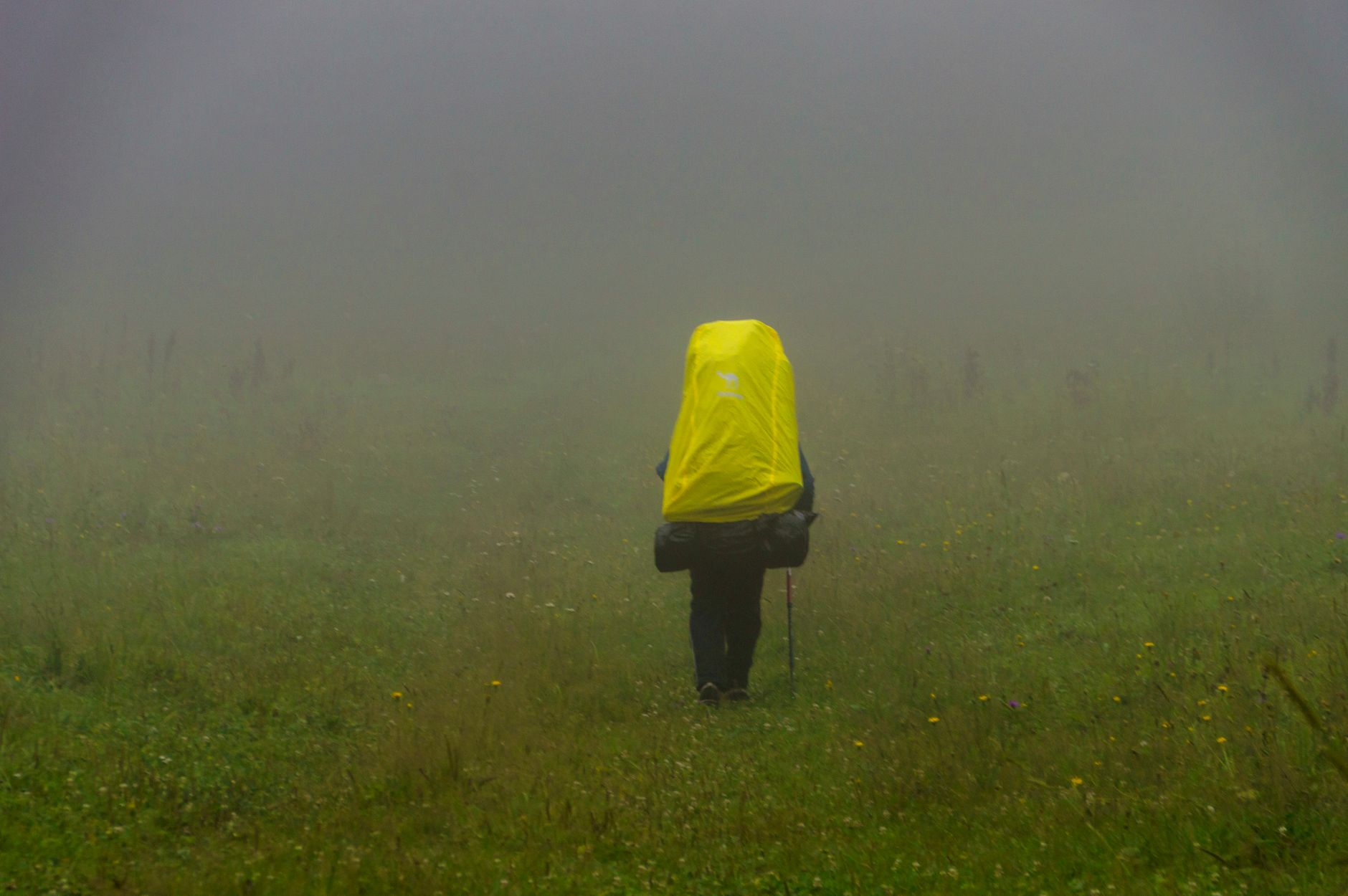
Seal your permit, phone, and a copy of your passport in a ziplock bag. Carry your camera in a dry bag or rain sleeve, with a lens cloth for sudden condensation. A waterproof daypack cover or dry bag liner protects everything else, since even a water-resistant backpack soaks through in sustained rainforest rain.
Your gorilla permit is the one document you cannot replace easily on the day, so treat it with more care than your phone. A simple plastic sleeve or ziplock bag costs nothing and prevents a ruined trip if rain catches you off guard. Camera gear deserves the same attention, since condensation inside a lens can take hours to clear once you reach the gorillas.
Does Rain Gear Change by Bwindi Sector or Season?
Buhoma and Rushaga sit lower and drier. Ruhija and Nkuringo climb higher and cool down faster, so pack an extra warm layer for those two sectors regardless of month. Rain is possible in every sector year-round, but the March to May and September to November wet seasons bring the heaviest, most frequent downpours.
Your ranger station assignment matters for what you pack. If your permit places you in Ruhija or Nkuringo, plan for a chillier start and pack that fleece even if you are trekking in a drier month. Buhoma and Rushaga trend a little warmer and their trails dry out faster after rain, but they still get wet weather without notice.
| Item | Purpose | What to Look For |
|---|---|---|
| Waterproof rain jacket | Primary shell against sudden showers | Hydrostatic head of at least 10,000mm, taped seams, pit zip vents |
| Waterproof daypack cover or dry bag liner | Keeps permit, camera, and snacks dry | Sized to your daypack, either a rain cover or an internal liner |
| Waterproof or quick-dry trousers | Blocks rain, mud, and thorns on the legs | Quick-dry synthetic fabric, not jeans or cotton |
| Knee-high gaiters | Seals the boot to trouser gap | Fitted snugly over ankle-height boots |
| Waterproof hiking boots | Grip and dry feet on muddy slopes | Ankle support, broken in well before the trek |
| Fleece or light insulating layer | Warmth on cool mornings, especially in Ruhija and Nkuringo | Packable, worn under the rain shell |
| Ziplock bags | Protects your permit, phone, and documents | A few sizes, replaced if they tear |
| Rain sleeve or dry bag for your camera | Prevents water damage and condensation | Fitted to your specific camera and lens |
Can You Rent Rain Gear in Bwindi?
Most lodges and tour operators in Buhoma, Ruhija, and Rushaga rent gaiters and walking sticks for a few dollars. They rarely stock properly fitted rain jackets or boots in your size. Bring your own jacket, boots, and gaiters, and rent only the walking stick and porter service locally.
A rented walking stick is genuinely useful and inexpensive, and hiring a porter to carry your daypack is worth considering, especially on steeper sectors. But rain jackets and boots are too personal to leave to chance. Fit and sizing vary widely. A jacket that does not fit properly will let rain in at the wrists and collar, no matter how good the rating is.
Frequently Asked Questions
Do I need a rain jacket for gorilla trekking?
Yes. Bwindi is a tropical rainforest where rain can start without warning in any month, including the drier June to September and December to February windows. A lightweight, breathable rain jacket with a hood belongs in every trekker’s daypack on every trek.
Is a poncho okay for gorilla trekking?
A poncho works only as a backup, not a primary layer. It snags on thorns and vines and restricts the arm movement needed to grab vegetation for balance on steep terrain. It also offers no insulation, so a fitted rain jacket is the better choice for the actual trek.
What waterproof rating do I need for gorilla trekking rain gear?
Look for a hydrostatic head of at least 10,000mm with fully taped seams. Consider 20,000mm or higher if you’re trekking during the March to May or September to November wet seasons. Ventilation features like pit zips matter just as much, since humid climbs trap sweat inside a fully sealed jacket.
When is the rainy season in Bwindi?
Bwindi has two wetter periods, roughly March to May and September to November, but rain is possible year-round because it is a tropical rainforest. Even the June to September and December to February drier months regularly see sudden showers, so rain gear is standard equipment on any trek date.
Do I need gaiters for gorilla trekking?
Gaiters are not strictly mandatory but are strongly recommended. They seal the gap between boot and trouser where mud, safari ants, and thorny undergrowth get in. This matters most on Bwindi’s steep, slippery, root-tangled trails after rain.
If you are still deciding whether this trek suits your family, our page on the Bwindi gorilla trek age limit is worth reading alongside this checklist. Our cost breakdown for couples planning a Bwindi trek covers what a permit and gear budget looks like together.
Where Can You Compare Bwindi Gorilla Trek Packages?
Once your rain kit is sorted, the next step is comparing operators who run treks in Buhoma, Ruhija, Rushaga, and Nkuringo. You can browse packages and compare safari operators through FindMySafari, Valley Safaris, or Trunktrails Safaris, all of which list gorilla trekking itineraries alongside wider East Africa trips. For more planning resources on pairing Uganda with a Kenya safari, keep browsing touringinsights.com.
Where Can You Find More Safari Planning Resources?
- Kenya safari packages from SafariPure
- Best time to visit Kenya from Trunktrails Safaris
- Best time to visit Kenya month-by-month map from Valley Safaris
- Compare Kenya safari packages on FindMySafari